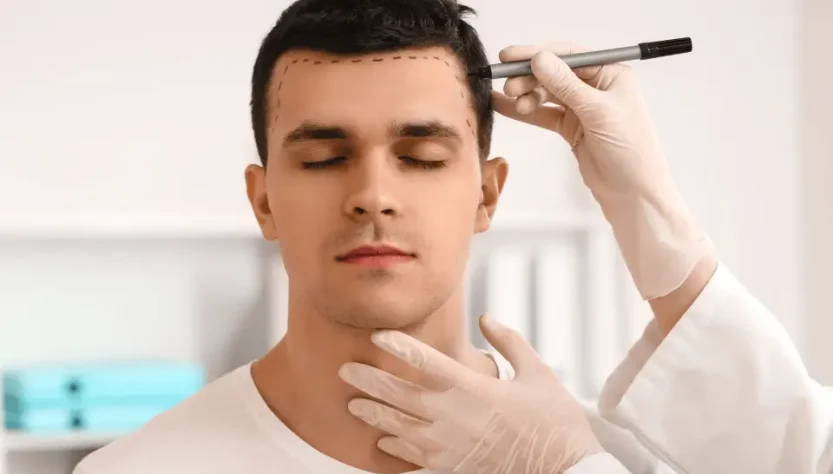
A person’s looks, self-esteem, and general sense of self may all be adversely impacted by hair loss. Some people accept these changes, while others look into surgical options to get their original hairline back. One possibility is a hair transplant, which involves moving healthy hair follicles to bald or thinning regions. But the method itself is just one aspect of the process. Patients may make educated judgements and set reasonable expectations by being aware of every phase, from the first consultation to recuperation and hair growth.
Comprehending The First Hair Transplant Consultation
Usually, the process starts with a thorough consultation with a licensed hair restoration professional. The expert assesses the patient’s scalp health, hair density, medical history, and hair loss trend during this visit. These evaluations aid in determining the person’s suitability as a transplant candidate.
When looking into Hair transplants UK, people should focus especially on the credentials and background of the medical specialists involved. A thorough consultation should include available methods, possible side effects, anticipated results, and alternative therapies.
Additionally, patients should be honest about their expectations. The availability of healthy donor hair is crucial in deciding the possible outcomes since hair transplantation redistributes existing follicles rather than producing new ones.
Selecting The Appropriate Hair Transplant Method
The next stage is to choose a suitable transplanting procedure when appropriateness has been determined. Follicular Unit Extraction (FUE) and Follicular Unit Transplantation (FUT) are two popular techniques.
FUE entails removing individual follicular units from the donor area and implanting them in hair loss-affected areas. A thin strip of scalp containing hair follicles is removed during FUT, and the hair follicles are then divided into separate grafts for transplantation.
Both strategies have benefits and drawbacks. Treatment objectives, scalp features, donor hair availability, and the surgeon’s evaluation all influence the suggested approach.
Recognising The Financial Commitment
Another crucial aspect of the patient journey is financial preparation. The amount of grafts needed, the procedure’s intricacy, the method used, and the clinic’s experience may all affect hair transplant costs.
Patients should ask for a comprehensive quote outlining the treatment package’s contents. The total cost may vary depending on consultation fees, medicines, follow-up sessions, and other treatments.
Selecting a clinic just on the basis of cost might leave out crucial factors like surgical training, safety regulations, and continuing patient care. People are better able to make choices when they are aware of the whole financial commitment.
Getting Ready For The Hair Transplant Process
Patients get preparatory instructions from their medical team after deciding on a treatment plan. These might involve examining prescription drugs, abstaining from smoking, consuming less alcohol, and adhering to certain scalp care guidelines.
Hair transplants London patients should also take into consideration practical considerations, including lodging, time off from work, and transportation.
Because patients may require many days to manage obvious redness, swelling, or scabbing after treatment, preparation is very crucial. Observing the surgeon’s recommendations promotes recovery and minimises preventable problems.
What Takes Place Throughout The Process?
Local anaesthesia is often used during hair transplants. In accordance with the intended hairline and density, the surgical team carefully removes the necessary follicles from the donor region and inserts them into the recipient area.
Depending on the manner and quantity of grafts, the process may take several hours. Although local anaesthesia helps control pain during treatment, patients may feel some discomfort.
To produce a natural look, the surgeon must take into account the implanted follicles’ direction, angle, and distribution.
Recuperation And Hair Care Following Surgery
Patience and close adherence to medical instructions are necessary for recovery. During the early stages of recovery, mild swelling, soreness, redness, and tiny scabs are typical.
Until their surgeon certifies that these activities are safe, patients are often advised to refrain from activities that might disrupt recently implanted grafts, including vigorous activity and scalp scratching.
During the next weeks, transplanted hair often sheds temporarily. Since follicles may go on to establish a new development phase, this does not always mean that the therapy was unsuccessful.
Conclusion
A successful hair restoration process starts with thorough investigation, reasonable expectations, and expert medical advice. The whole patient experience is influenced by each phase, from consultation and treatment planning to surgery and recuperation. People may approach hair transplantation with more confidence if they comprehend the process, adhere to the proper aftercare guidelines, and give themselves enough time for hair growth. In the end, safe, pleasant, and natural-looking outcomes still depend on making educated choices and receiving skilled medical care.