The visit usually feels reassuring. You walk into a clean lobby, staff greet you politely, and the rooms look comfortable. Everything appears well arranged. But what most families miss is this—what looks good is not always what works well. When you step into an old age home in delhi, you are not evaluating interiors. You are evaluating a care system. And care quality does not reveal itself unless you look beyond surface impressions.
Many families realise this only after something goes wrong. A missed medicine. A delayed response. A fall that could have been prevented. That is why a structured way of evaluating facilities becomes important. If you are searching for the best old age home in delhi, you need to focus on how care is delivered, not how the place looks. A simple 15-minute audit can help you identify whether a facility is truly reliable.
Staff Readiness: The First Sign of Real Care
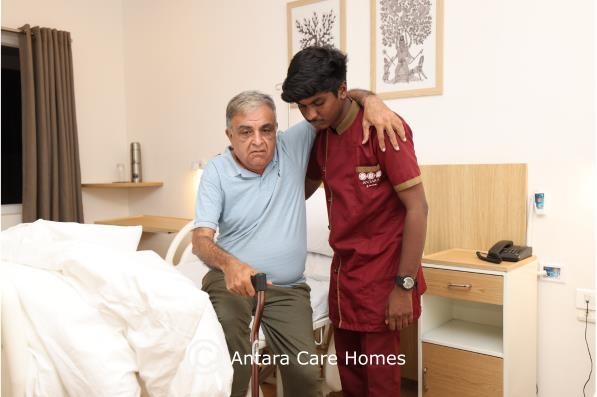
Before you focus on rooms or amenities, observe the staff. Watch how they interact with residents. Do they respond quickly? Do they seem attentive or distracted? Do they know residents personally? In a well-managed luxury old age home in delhi, staff are not just present—they are alert and engaged.
You can also ask how residents are monitored throughout the day. A strong facility will explain structured routines, regular checks, and shift handovers. A weak one will rely on vague reassurance. Care quality always begins with people, not infrastructure.
Safety Systems: More Than Just Cleanliness
Most retirement homes appear clean, but safety goes beyond hygiene. Walk through the space slowly and notice the details. Check whether bathrooms have grab bars, whether floors are antiskid, and whether corridors are easy to navigate with a walker or wheelchair. Lighting should be soft but sufficient, especially for elderly eyes.
Falls are one of the leading causes of hospitalisation among seniors. A well-designed old age home in delhi reduces this risk through thoughtful infrastructure. Facilities that prioritise safety invest in prevention, not just presentation.
Hygiene Consistency: What You Don’t See Immediately
Hygiene is easy to showcase in common areas. The real test lies in consistency. Observe resident rooms, washrooms, and dining areas after use. Pay attention to small details like dryness of floors and overall smell in the space.
In organised senior homes, hygiene follows a routine and system. It does not depend on preparation before visits. When you ask about cleaning schedules, a clear and specific answer usually indicates discipline. General responses often suggest inconsistency.
Medication Management: A Critical Risk Area
Medication errors are one of the most common risks in elderly care. That is why this area requires close attention. Ask how medicines are stored, tracked, and administered. In a structured assisted living environment, you will find clear medication charts, defined schedules, and proper documentation.
Clinical observations show that disciplined medication management significantly reduces complications among seniors. The best old age home in delhi treats medication as a system with accountability, not as a routine task handled informally.
Emergency Preparedness: Clarity Over Assumption
Emergency response is one of the most important aspects of care. Ask clearly what happens if a resident faces a medical emergency. Look for specific answers about staff availability, response time, hospital tie-ups, and escalation protocols.
A dependable luxury old age home in delhi will have predefined systems in place. These processes are practiced and not dependent on availability or improvisation. In situations like stroke or cardiac events, timely response can make a significant difference.
Daily Monitoring and Clinical Oversight
Ageing requires continuous observation, not occasional intervention. Good retirement homes track key health indicators such as blood pressure, sugar levels, mobility, appetite, and sleep patterns.
Ask whether daily health records are maintained and reviewed. Structured monitoring helps identify early warning signs and prevents escalation. This level of clinical oversight is what separates organised care from basic accommodation.
Resident Engagement: Beyond Activity Calendars
Many facilities present activity schedules, but actual engagement matters more than planned events. Observe whether residents are participating in activities or simply present in the space. Notice their interaction levels and overall energy.
A well-run old age home in delhi focuses on meaningful engagement rather than just scheduling activities. Social interaction has a direct impact on health. Studies from the World Health Organization highlight that isolation increases the risk of depression and cognitive decline. Good care includes emotional wellbeing.
Staffing Ratio: The Hidden Factor
Staffing ratio is one of the most overlooked aspects during a visit. Ask how many caregivers are assigned per resident. Lower ratios allow better attention, quicker response, and more personalised care.
In quality senior homes, staff are not overburdened. They have the time to observe changes and respond proactively. Even the best infrastructure cannot compensate for insufficient staffing.
Nutrition and Daily Living Support
Food is not just about comfort. It plays a key role in recovery and health management. Ask how meals are planned and whether diets are customised based on medical needs.
In a structured assisted living environment, meals follow nutritional guidelines and support health conditions such as diabetes or heart issues. Consistency in food quality and timing contributes to overall wellbeing.
Family Communication and Transparency
For families, especially those living in different cities or countries, communication is critical. Ask how updates are shared and how frequently families are informed about health changes.
The best old age home in delhi ensures transparency through structured reporting and communication systems. Families should feel informed and involved, even when they are not physically present.
This is also where established players like Antara Care Homes have set a benchmark by building structured communication systems and standardised care protocols across locations, reflecting how organised senior care is evolving in India.
A Simple 15-Minute Scoring Mindset
Instead of relying on memory, approach your visit with a simple scoring mindset. As you observe each area—staff readiness, safety, hygiene, medication handling, emergency systems, monitoring, engagement, staffing, nutrition, and communication—mentally rate them.
This approach helps reduce emotional bias and brings clarity to your decision. A facility that performs consistently across these areas is more likely to deliver reliable care.
What Defines the Best Old Age Home in Delhi
The best old age home in delhi does not depend on appearance or marketing. It depends on systems, discipline, and accountability. A luxury old age home in delhi should combine comfort with structured care processes.
Families often focus too much on rooms and aesthetics. But in senior care, operations matter more than presentation. A well-designed space cannot compensate for weak systems.
Final Thoughts
Choosing an old age home in delhi is not about finding a place that looks good during a visit. It is about identifying a system that works consistently every day. The right facility will demonstrate prepared staff, clear protocols, consistent monitoring, and transparent communication.
When you evaluate care with this mindset, you move beyond impressions and focus on what truly matters. Because in senior care, what you don’t see during a tour often matters more than what you do.