Introduction
Health care facilities generate large amounts of bio hazardous waste every day, including blood-contaminated materials, laboratory samples, pathological waste, sharps, and infectious substances. Safe transportation of these materials is critical for protecting Health care workers, waste management personnel, patients, and the environment. One of the most important components of safe medical waste handling is the use of leak-proof containers.
Leak-proof containers are specially designed storage and transport solutions that prevent hazardous liquids, contaminated materials, and infectious waste from escaping during handling or transportation. These containers play a major role in infection control, workplace safety, and regulatory compliance within Health care environments.
What Are Leak-Proof Biohazard Containers?
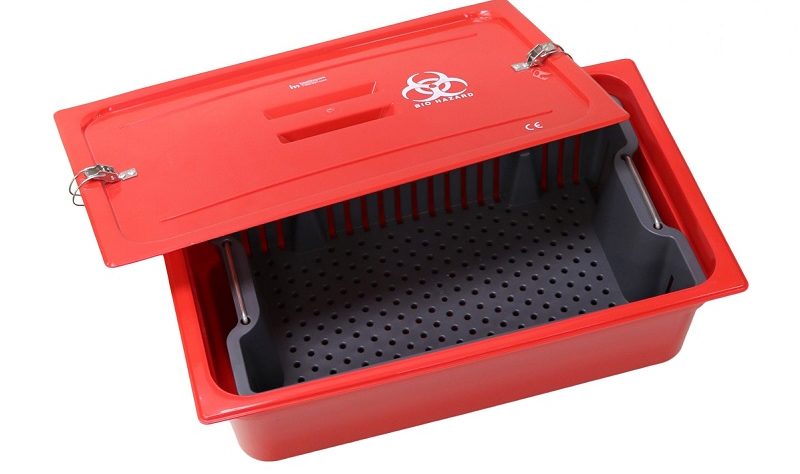
Leak-proof biohazard containers are durable containers specifically designed to securely store and transport hazardous medical waste without spills or leakage.
These containers are commonly used for:
- Blood samples
- Infectious waste
- Sharps disposal
- Laboratory materials
- Pathological waste
- Contaminated fluids
Most leak-proof containers are made from puncture-resistant plastic or heavy-duty materials that can withstand transportation and rough handling.
Why choose leak-proof containers
1. Preventing Cross-Contamination
One of the primary reasons leak-proof containers are essential is their ability to prevent cross-contamination.
Bio hazardous waste may contain harmful bacteria, viruses, or other infectious agents. If contaminated fluids leak during transport, they can spread pathogens throughout Health care facilities or public areas.
Leak-Proof Containers Help Prevent:
- Exposure to infectious materials
- Surface contamination
- Airborne pathogen spread
- Accidental spills during transport
- Secondary contamination risks
Proper containment significantly reduces the possibility of Health care-associated infections and environmental contamination.
2. Protecting Health care Workers and Waste Handlers
Health care professionals, laboratory staff, and sanitation workers regularly handle bio hazardous materials. Without proper containment systems, these workers face increased risks of exposure.
Common Workplace Risks Include:
- Contact with contaminated fluids
- Needle-stick injuries
- Exposure to bloodborne pathogens
- Accidental splashes during handling
Leak-proof containers create a safer transportation process by securely sealing hazardous waste and reducing accidental exposure incidents.
This protection is especially important in hospitals, laboratories, emergency clinics, and research facilities where infectious waste volumes are high.
3. Supporting Regulatory Compliance
Medical waste transportation is strictly regulated in many countries. Health care facilities must follow specific safety standards for the packaging, labeling, storage, and transport of hazardous materials.
Leak-Proof Containers Help Facilities Meet:
- Infection control regulations
- Occupational safety standards
- Environmental protection requirements
- Hazardous waste transportation guidelines
Failure to comply with medical waste handling regulations can lead to fines, legal penalties, and reputation damage for Health care organizations.
Using approved leak-proof containers demonstrates commitment to safe and responsible waste management practices.
4. Reducing Environmental Risks
Improperly contained biohazard waste can harm the environment if hazardous fluids leak into water systems, soil, or public waste areas.
Environmental Risks May Include:
- Water contamination
- Soil pollution
- Spread of infectious agents
- Public health hazards
Leak-proof transportation systems help minimize environmental exposure and support safer medical waste disposal procedures.
Health care facilities increasingly recognize environmental responsibility as an important part of sustainable waste management programs.
5. Improving Transportation Efficiency
Modern leak-proof containers are designed not only for safety but also for operational efficiency.
Features Often Include:
- Secure locking lids
- Stackable designs
- Durable carrying handles
- Puncture resistance
- Clearly marked biohazard labels
These features simplify waste handling, improve storage organization, and reduce the risk of accidents during transportation.
Efficient transportation systems also help Health care facilities streamline waste disposal work flows and maintain cleaner environments.
Conclusion
As Health care facilities continue to prioritize infection control and workplace safety, the demand for reliable leak-proof biohazard containers will continue to grow. Investing in high-quality containment solutions not only improves operational safety but also strengthens overall Health care waste management practices.