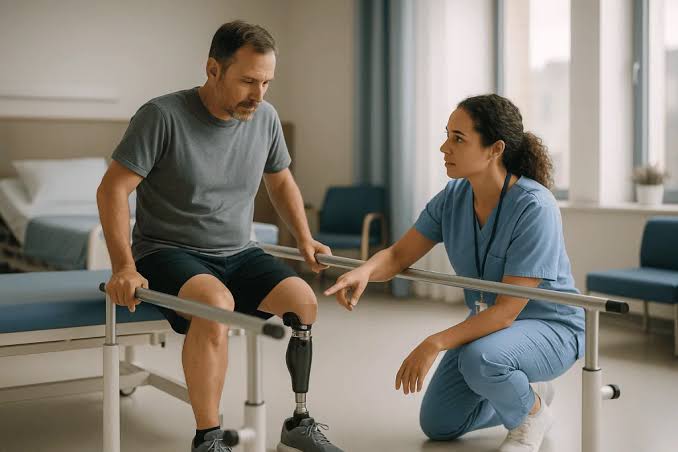
Even the most basic routines may be altered by the loss of a limb. It may suddenly take more work and preparation to get dressed, make breakfast, go for a stroll around the home, or visit a local shop. Loss of a limb may impact confidence, independence, and mental health in addition to physical adaptations. However, people may progressively recover control over many facets of daily life with the right therapy, prosthetic assistance, and a desire to establish new habits.
Getting Used To A New Way Of Life
The time after losing a limb sometimes entails major adjustments to long-standing routines. Activities that used to happen effortlessly could need new methods, more time, or assistive technology. These changes may be stressful, especially for someone who is still healing emotionally and physically.
Rehabilitation specialists often advise people to set reasonable objectives rather than trying to quickly resume their prior activities. Building confidence may be facilitated by starting with small tasks, such as going between rooms safely or doing simple personal care duties. People may progressively include more challenging activities into their routines as their physical power and coordination increase.
This shift may also be facilitated by the assistance of family, carers, and rehabilitation professionals. Encouragement and useful support provide the groundwork for increasing independence without putting undue strain on people.
Recognizing Prosthetic Support’s Function
The purpose of prosthetic devices is to facilitate participation in daily activities and replace certain functions of a lost limb. Prosthetic solutions may assist in standing, walking, grasping items, or performing particular actions, depending on the degree of limb loss, personal objectives, and individual health.
The LimbplastX Institute is pertinent to discussions around prosthetic care and the significance of investigating possibilities after limb loss. People may make better judgments regarding their mobility and long-term recovery if they are aware of the connections between prosthetic technology, rehabilitation, and individual requirements.
It takes more than just getting a gadget to have a great prosthetic experience. Comfort and functionality are enhanced by proper fitting, expert advice, frequent modifications, and regular training. Prosthetic assistance should be seen as an individual procedure since each person’s physical condition and lifestyle are unique.
Establishing Cozy Morning And Evening Routines
Activities in the morning and evening provide beneficial opportunities to foster independence. When people develop regular routines that meet their mobility demands, tasks like taking a shower, getting dressed, cooking, and arranging personal things might become simpler.
One way to minimize needless movement is to place regularly used objects within easy reach. Convenience may also be increased by rearranging furniture, adding restroom safety devices, and selecting accessible apparel. Before starting daily activities, those who use prosthetic legs may find it helpful to schedule enough time to put on their devices and verify their fit.
Because they enable people to examine their remaining limbs, adhere to suggested skin care measures, and detect possible pain, evening rituals are equally crucial. Keeping up these routines helps encourage ongoing prosthesis usage and lessen avoidable consequences.
Developing Confidence And Strength Through Rehabilitation
In order to assist people in adjusting to prosthetic devices, physical rehabilitation is crucial. Enhancing balance, building supporting muscles, practicing synchronized movements, and learning how to navigate various situations are all possible training goals.
Rehabilitation for lower limb prosthesis users may include navigating topographical changes, climbing stairs, and walking on a variety of surfaces. Users of upper limb prosthetics may concentrate on gaining control, enhancing coordination, and finishing useful activities involving everyday items.
Individual differences in progress are significant. While some tasks take prolonged practice, others could become doable really fast. Exercises are kept suitable for individual abilities and recuperation objectives when working with certified rehabilitation specialists.
Going Back To Work And Social Activities
Rebuilding daily routines also includes reestablishing connections with obligations and people beyond the house. Emotional well-being and a greater feeling of independence may be enhanced by going back to work, going to social events, engaging in hobbies, or taking part in community activities.
Changes to physically demanding tasks, flexible scheduling, accessible seating, and adapted equipment are examples of workplace modifications. In a similar vein, choosing accessible locations and organizing transportation may facilitate social interaction.
Establishing reasonable expectations while honoring individual autonomy may be facilitated by open communication with friends, family, and employers.
Proceeding With Increased Self-Sufficiency
After losing a limb, rebuilding one’s life is a slow process that is influenced by one’s own willpower, expert assistance, and useful adjustments. Although prosthetic technology may be very helpful, creating sustainable daily routines is just as crucial.
People who have lost limbs may have significant prospects for independence by concentrating on their own development, adhering to suitable rehabilitation regimens, and asking for help when necessary. The ultimate objective is to create a comfortable, active, and satisfying routine that supports evolving skills and individual goals rather than necessarily going back to life precisely as it was.